There’s a moment that happens in many financial conversations — often later in life — when someone says something like:
“I just want to leave a good legacy.”
It sounds noble. It sounds responsible.
It also sounds clear… until you sit with it for more than a few seconds.
Because here’s the uncomfortable truth:
Legacy isn’t something you can aim at directly.
The harder you try to “design” it, the more likely you are to distort it.
The Illusion of Control
Ken Ricci, the billionaire co-founder of Directional Aviation, touched on this idea in a recent Wall Street Journal interview with Gunjan Banerji. Reflecting on wealth, family, and succession, Ricci acknowledged a tension many wealthy families eventually face: the desire to help, guide, and provide — without over-engineering outcomes for the next generation.
His observation was subtle but powerful:
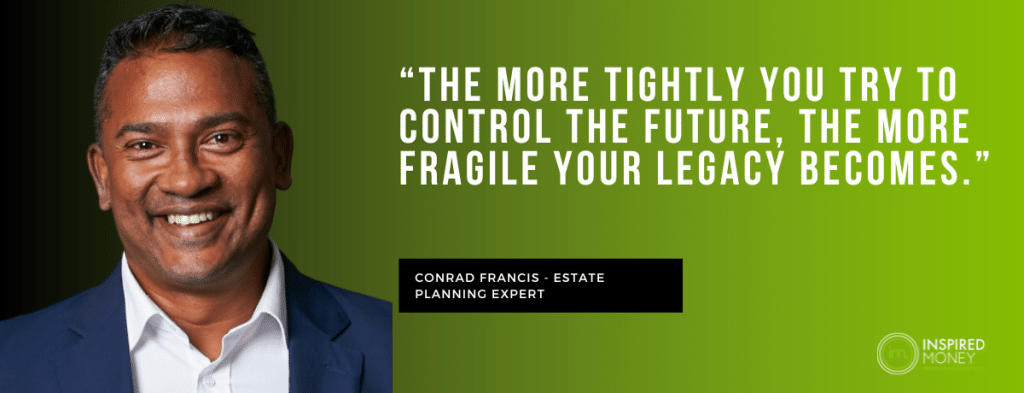
The more you try to control what happens after you’re gone, the more fragile the outcome becomes.
That insight mirrors what we see regularly in estate planning conversations.
People don’t just pass on assets.
They pass on assumptions, incentives, expectations, and unresolved dynamics.
And those don’t respond well to rigid instructions.
Why Legacy Breaks When You Aim at It
Most legacy plans fail for one of three reasons:
-
They confuse assets with outcomes
Money is treated as the legacy, rather than the tool. -
They optimise for fairness instead of reality
Equal isn’t always equitable — especially across different personalities, capabilities, and life paths. -
They rely on documents to solve human problems
Trust deeds, wills, and structures matter — but they can’t replace conversations, context, or clarity of intent.
When legacy becomes a “target”, it often turns into a checklist:
-
Equal shares
-
Locked-in rules
-
Tight control
-
Delayed access
Ironically, those are the very things that can erode trust, initiative, and family cohesion over time.
Legacy Is a Byproduct, Not a Goal
Here’s the reframing that tends to unlock better outcomes:
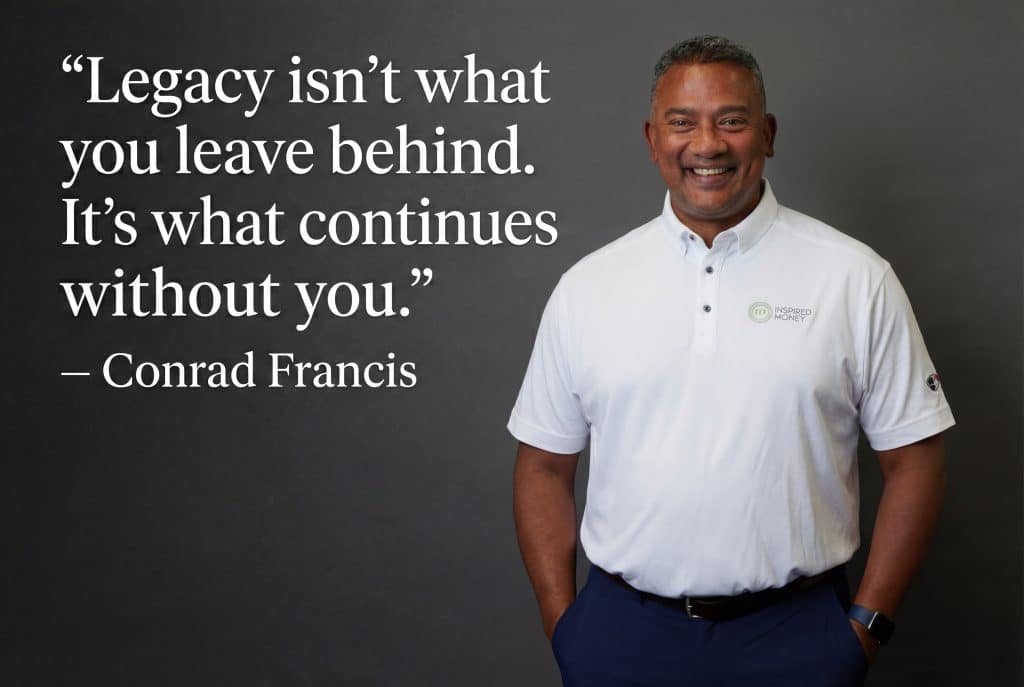
Legacy is not what you leave behind.
It’s what continues without you.
That includes:
-
How decisions get made
-
How conflict is handled
-
Whether family members feel trusted or constrained
-
Whether wealth enables growth — or dependency
Strong legacies tend to emerge when people focus on:
-
Clear values, not rigid rules
-
Capability, not control
-
Stewardship, not preservation at all costs
In other words, legacy forms indirectly, through good process and honest conversations — not through micromanagement from beyond the grave.
What This Means Practically
In estate planning, this often leads to counterintuitive but healthier choices:
-
Fewer restrictions, but clearer intent
-
Thoughtful trustee and appointor succession
-
Family meetings while everyone is still alive
-
Structures that can adapt as people and circumstances change
The aim isn’t to eliminate risk.
It’s to avoid brittleness.
The Real Question to Ask
Instead of asking:
“What legacy do I want to leave?”
A better question is:
“What kind of people and systems am I reinforcing today?”
Get that right — and legacy takes care of itself.
If this sparked something for you, that’s usually a sign it’s worth a conversation.
At Inspired Money, we help clients think through estate planning before it becomes a legal exercise — focusing on intent, flexibility, and family dynamics, not just documents.
If you’d like to explore how your current structures would actually work in practice — or whether they’re quietly creating fragility — we’re here to help facilitate that discussion. You can get in touch with us here.
Sometimes the most valuable part of planning isn’t what you write down.
It’s what you talk through while you still can.
Inspired by reflections from Ken Ricci’s interview with The Wall Street Journal (Gunjan Banerji), and by ongoing estate planning conversations with clients navigating wealth, family, and responsibility.